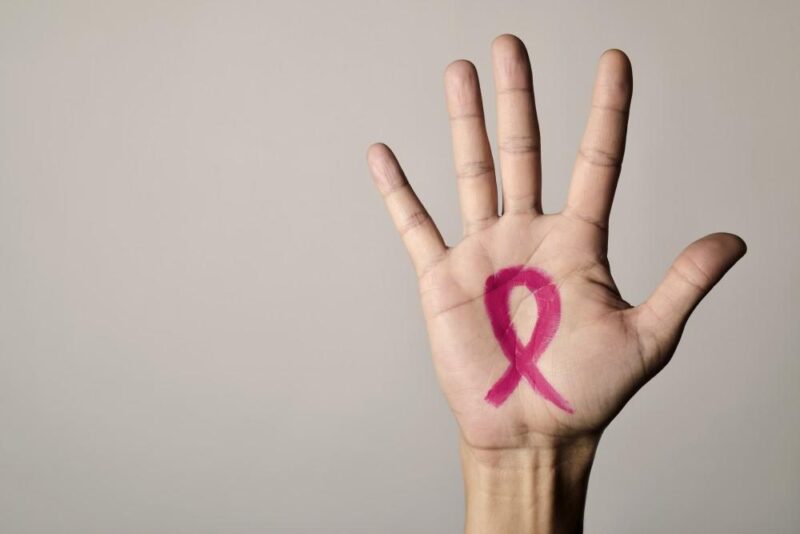

Apart from skin cancer, breast cancer is the most common type of cancer in women. Breast cancer can appear in any woman at any time, but your risk increases as you get older. The average risk of breast cancer at any point in your life is 13%; 1 in 8 women will get the disease.
The professional OB/GYN team at FemmPro OB/GYN wants to help you reduce your chances of developing breast cancer. Here are some simple ways to get ahead of a breast cancer diagnosis.
1. Get a regular mammogram
Women 50-74 years old with an average risk of breast cancer should get a mammogram every two years. If you’re in your 40s, talk to us about whether or not you should start these earlier because of your personal or family history.
2. Achieve or maintain a healthy weight
Women who are overweight have a higher risk of developing breast cancer. If you are at a healthy weight, do your best to stay there with healthy habits like a whole foods diet and regular physical activity. If you’re overweight or obese, talk to us about the steps you can take to lose weight safely and healthfully in the long run.
3. Be physically active
Women who exercise have a reduced risk of developing breast cancer – a 10-20% reduced risk! Regular physical activity lowers your blood estrogen levels, which is connected to a lower risk of breast cancer. Exercise also boosts your body’s immune system, slowing or preventing cancer cells from growing. Physical activity is also crucial to keep your weight at a healthy level.
4. Drink less alcohol
Keep your alcohol intake to no more than one drink per day. That means 12 ounces of beer, 5 ounces of wine, or 1.5 ounces of hard liquor. The more alcohol you consume, the greater your risk of breast cancer.
5. Stop smoking, too
Smoking correlates significantly with higher breast cancer rates. This is especially true if you started smoking in your teen years and have a family history of the disease.
6. Eat healthily
A healthy diet can contribute to weight management and decrease your risk of breast cancer. Avoid processed foods, and enjoy fresh fruits and vegetables, nuts, olive oil, whole grains, and legumes. Choose fish or white meat poultry instead of red meat. We can help you make dietary changes to support your goals of good health and reduced risk of breast cancer.
7. Talk to us about the effects of hormone therapy
Hormone therapy can help ease uncomfortable menopausal symptoms, but it can also increase the risk of breast cancer in some women. We can offer non-hormonal therapies and medications that may ease your symptoms and lower your risk for breast cancer.
8. Breastfeed, if you can
If you are in your childbearing years, choose to breastfeed when you have children – if you can.
The longer you breastfeed, the more your breast cancer risk reduces. Researchers aren’t entirely sure why there is a connection between breastfeeding and reduced risk of breast cancer but think it may cause changes in breast cells that make them more resistant to cancer.
When you breastfeed, your ovaries don’t produce eggs as often, which could also impact your cancer risk.
Call one of the FemmPro OB/GYN offices today or use the online tool to schedule an appointment to get the screenings you need to ensure you’re doing everything possible to reduce your risk of breast cancer. And, if we should find something, early detection means a better chance of recovery.